Protection Guide for Uninsured Motorist Property Damage Claims Help


Introduction
When most people buy auto insurance, they focus on the basics: liability coverage, collision coverage, and maybe comprehensive protection. These are important, but one area many drivers overlook is what happens when another driver causes damage and has no insurance at all. That situation is more common than many realize, and it can create financial stress fast. If the at-fault driver cannot pay for repairs, you may be left handling the costs yourself unless your policy includes the right protection.
That is why uninsured motorist property damage deserves serious attention. This type of coverage is designed to help pay for repairs to your vehicle or other eligible property when an uninsured driver causes an accident. In some states it is required, in others it is optional, but in nearly every case it can be a valuable layer of financial security.
Many drivers assume they will never need it. Unfortunately, accidents involving uninsured motorists happen every day. Some people let policies lapse, some never purchase insurance, and others carry invalid or canceled coverage. When they collide with another vehicle, the innocent driver often faces repair bills, rental car needs, and transportation problems.
This complete guide explains how the coverage works, what it usually includes, what it may exclude, and whether it makes sense for your personal situation. By the end, you will understand how to make a smarter insurance decision and protect yourself from costly surprises.
What Is Uninsured Motorist Property Damage?
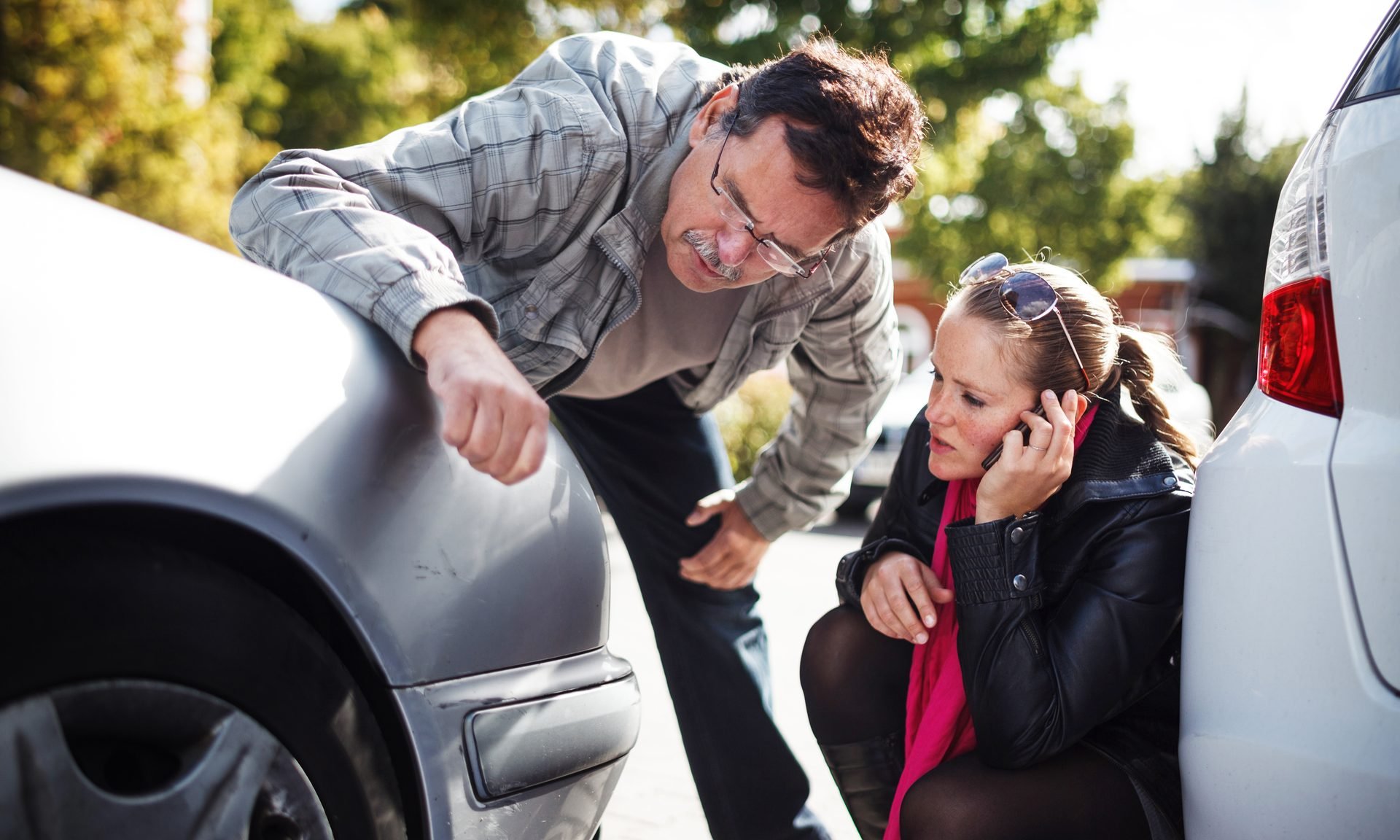
Uninsured motorist property damage is auto insurance coverage that may help pay for damage to your car or certain property if an at-fault driver does not have valid insurance. Instead of chasing payment directly from the other driver, you file a claim through your own insurer, subject to policy terms and limits.
This coverage can be especially useful because collecting money from an uninsured driver is often difficult. If someone does not carry insurance, there is a chance they may also lack the financial ability to reimburse you quickly. Legal action can take time, cost money, and still produce little recovery.
With the right policy in place, your insurer can help manage the claim, inspect the damage, and provide payment for eligible losses. That makes recovery faster and less stressful.
For many households, uninsured motorist property damage is less about luxury and more about avoiding sudden out-of-pocket repair expenses that disrupt the monthly budget.
Why This Coverage Matters More Than Ever
Vehicle repair costs have increased dramatically in recent years. Even minor accidents now involve expensive components such as parking sensors, radar systems, cameras, LED lighting, and specialized paint finishes.
A simple bumper impact that once cost a few hundred dollars may now cost thousands after parts, labor, recalibration, and paint blending are included. If the driver who caused the accident has no insurance, that cost may land on you.
At the same time, many regions still have significant numbers of uninsured drivers on the road. Economic hardship, missed payments, and rising premiums can lead some motorists to drive illegally without coverage.
That combination of more uninsured drivers and more expensive repairs is exactly why uninsured motorist property damage has become increasingly relevant for everyday drivers.
How the Coverage Works in Real Life
Imagine you are stopped at a traffic light. Another driver rear-ends your vehicle. Police arrive and determine the other driver is at fault. When insurance information is requested, it turns out their policy was canceled two months ago.
Your trunk is crushed, bumper damaged, and rear sensors need replacement. Repair costs total several thousand dollars.
Without proper coverage, you may need to pay out of pocket, use collision insurance with a deductible, or try to collect directly from the uninsured driver. That process can be frustrating and uncertain.
With uninsured motorist property damage, you may be able to file a claim with your own insurer. Depending on the policy, the insurer can inspect the damage, approve repairs, and pay eligible costs up to your coverage limits.
That can mean less financial strain and a faster return to normal life.
What It Usually Covers
Coverage details vary by insurer and by state, but many policies commonly include protection for damage caused by an uninsured at-fault driver.
Vehicle Body Damage
This often includes doors, bumpers, panels, mirrors, lights, and exterior surfaces damaged in a covered collision.
Mechanical Damage Related to the Crash
If a collision damages steering components, suspension parts, or safety systems, repairs may be eligible depending on policy wording.
Total Loss Situations
If repair costs exceed the vehicle’s actual value, the insurer may declare the vehicle a total loss and offer settlement according to the policy.
Some Hit-and-Run Incidents
Certain states or insurers allow claims when a driver leaves the scene, though rules can differ significantly.
Towing or Related Costs
Some insurers may include limited towing or related claim benefits, depending on endorsements.
Because terms differ, always review your declarations page carefully before assuming coverage.
What It Usually Does Not Cover
No insurance product covers everything. This type of protection often excludes unrelated losses or situations outside policy terms.
Wear and Tear
Normal aging, rust, fading, and maintenance problems are not accident damage.
Mechanical Breakdown
Engine failure or transmission problems unrelated to the crash are usually excluded.
Theft or Vandalism
These are commonly handled under comprehensive coverage instead.
Intentional Damage
Claims caused deliberately are typically denied.
Damage You Caused Yourself
If you are at fault, collision coverage is usually the relevant protection rather than uninsured motorist property damage.
Knowing exclusions is just as important as understanding benefits.
How It Differs From Collision Coverage
Many drivers ask whether this coverage is necessary if they already carry collision insurance. The answer depends on budget, deductible level, and how much protection you want.
Collision insurance generally covers damage to your own car after an accident regardless of fault, subject to the deductible. That includes hitting another vehicle, striking an object, or rollover damage.
By contrast, uninsured motorist property damage focuses specifically on situations where another uninsured driver caused the accident.
| Coverage Type | What It Usually Covers | Fault Required | Deductible Often Applies |
|---|---|---|---|
| Collision | Damage to your car after many accident types | No | Yes |
| Uninsured Driver Damage Coverage | Damage caused by uninsured at-fault driver | Yes | Sometimes |
| Comprehensive | Theft, weather, vandalism, non-collision events | No | Yes |
Some people carry both types for broader protection.
Is It Required by Law?
Insurance laws vary widely. In some states, insurers must offer this coverage. In others, drivers may reject it in writing. Some states require related uninsured motorist protections, while others rely more heavily on collision systems.
Because regulations can change, the safest approach is to check with your state insurance department or speak with a licensed insurance professional in your area.
Even where optional, many drivers voluntarily add uninsured motorist property damage because the premium may be modest compared with a major repair bill.
Who Should Consider It Most Seriously
Not every driver needs the same insurance package. However, certain groups often gain more value from this coverage than others.
Owners of Newer Vehicles
Modern cars cost more to repair due to electronics and safety technology. Even a small crash can create a large invoice.
Daily Commuters
More time on the road increases exposure to careless or uninsured drivers.
Urban Drivers
Heavy traffic, tight parking, and frequent stop-and-go conditions raise accident risk.
Families on a Tight Budget
Unexpected repairs can disrupt rent, utilities, groceries, and other essentials.
Drivers Without Emergency Savings
If a $3,000 repair would create financial strain, added protection may be worthwhile.
For these groups, uninsured motorist property damage can function as practical financial planning.
How Much Coverage Should You Buy?
There is no universal answer. The right limit depends on your vehicle, finances, and risk tolerance.
Consider the following factors:
Vehicle Value
A high-value car may justify stronger limits than an older vehicle worth only a few thousand dollars.
Repair Costs in Your Area
Labor rates vary widely. Urban repair shops often charge more than rural areas.
Your Savings
If you can comfortably absorb repair bills, you may choose lower limits.
Existing Deductibles
If your collision deductible is high, stronger uninsured-driver coverage may reduce out-of-pocket costs.
Driving Environment
Long highway commutes or congested city traffic may increase your perceived need.
Requesting multiple quotes with different limits can help identify the best balance.
What the Claims Process Usually Looks Like
After an accident involving an uninsured driver, the claims process often follows several basic steps.
Report the Accident Promptly
Notify your insurer as soon as possible. Delays may complicate evidence gathering.
Document the Scene
Take photos of vehicles, license plates, road conditions, and visible damage.
Obtain a Police Report
This can help establish fault and confirm the other driver lacked insurance.
Vehicle Inspection
The insurer may send an adjuster or request repair estimates.
Coverage Review
Your policy terms, fault determination, and limits are reviewed.
Repair Authorization or Payment
Once approved, repairs begin or payment is issued according to policy rules.
Many policyholders value uninsured motorist property damage because it can make a stressful accident easier to resolve.
Common Reasons Claims Get Delayed
Even valid claims may take longer if certain issues arise.
Disputed Fault
If the other driver denies responsibility, investigation may take longer.
No Police Report
Without official documentation, proving uninsured status can be harder.
Incomplete Photos or Evidence
Lack of scene evidence may slow decisions.
Coverage Questions
Some claims depend on specific wording, exclusions, or endorsements.
Repair Estimate Differences
Body shop and insurer estimates sometimes require negotiation.
Good documentation helps speed nearly every step.
How Much Does It Cost?
Premiums depend on many rating factors:
- Location
- Driving history
- Vehicle type
- Prior claims
- Credit-based rating where permitted
- Chosen limits
- Insurance company pricing model
In many cases, the added cost is relatively affordable compared with paying for major repairs yourself.
That is why many drivers view uninsured motorist property damage as a low-cost hedge against a high-cost problem.
Myths That Cause People to Skip It
Myth 1: Everyone on the Road Has Insurance
Unfortunately, many drivers do not.
Myth 2: If They Hit Me, They Must Pay
Legal responsibility does not guarantee practical payment.
Myth 3: Collision Coverage Solves Everything
Collision helps, but deductibles and claim treatment may differ.
Myth 4: It Is Too Expensive
Often the premium is smaller than expected.
Myth 5: My Car Is Old, So It Does Not Matter
Even older vehicles can be costly to repair relative to household budgets.
When It May Be Less Important
There are situations where some drivers may reasonably choose not to add it.
Very Low-Value Vehicle
If your car has minimal market value, paying premiums for years may not feel worthwhile.
Large Emergency Fund
Some drivers prefer self-insuring smaller risks.
Strong Existing Coverage
If collision coverage has a low deductible and affordable premiums, you may feel sufficiently protected.
Limited Driving
People who rarely drive may perceive lower risk.
Still, compare real numbers before deciding.
Ways to Lower Insurance Costs While Keeping Protection

Insurance does not have to mean overpaying. You may reduce costs by:
Bundling Policies
Combining home and auto can create discounts.
Maintaining a Clean Record
Tickets and accidents often increase premiums.
Reviewing Coverage Annually
Life changes may create savings opportunities.
Shopping Multiple Carriers
Rates vary widely between insurers.
Using Reasonable Deductibles
Balance monthly premium savings with what you could afford after a claim.
Sometimes adding uninsured motorist property damage while adjusting other coverages creates a better overall package.
Questions to Ask Before Buying
Before adding any policy option, ask clear questions.
What Is the Coverage Limit?
Know the maximum available payout.
Is There a Deductible?
Some policies include one, others may not.
Does It Cover Hit-and-Run Claims?
Rules vary.
Will One Claim Raise My Premium?
Ask how claims history may affect future pricing.
Can I Add It Mid-Term?
Often yes, depending on the insurer.
How Fast Are Claims Typically Resolved?
Service quality matters as much as price.
Real-World Example
Suppose your parked car is struck outside a grocery store. Witnesses identify the driver, but they have no valid insurance. Damage totals $4,600.
Without additional protection, you might use collision coverage and pay a deductible. You could also pursue the other driver personally, but recovery may take months or fail entirely.
With uninsured motorist property damage, eligible repairs may be handled through your insurer, reducing delay and stress.
For many people, that convenience alone has real value.
Mistakes Drivers Commonly Make
Choosing Only the Cheapest Policy
Low premiums sometimes come with thinner protection.
Ignoring State Rules
Coverage options vary by location.
Not Updating After Buying a New Car
A vehicle upgrade may justify stronger coverage.
Waiting Until Renewal
You may be able to change coverage mid-policy.
Assuming It Works the Same Everywhere
Each insurer’s wording matters.
Avoiding these mistakes can save money and frustration later.
Frequently Asked Questions
Does this coverage pay for injuries?
Usually no. Injuries are generally handled through uninsured motorist bodily injury coverage.
Can it cover a hit-and-run driver?
Sometimes, depending on state law and policy wording.
Is it worth adding for an older car?
It depends on your premium quote, the car’s value, and your financial cushion.
Will I need proof the other driver had no insurance?
Often yes. A police report or insurer investigation may help establish this.
Can I have both collision and this coverage?
Yes, many drivers carry both for broader protection.
How do I know if I already have it?
Check your declarations page or call your insurer.
Can lenders require it?
Lenders more commonly require collision and comprehensive, though requirements vary.
Summary Box
Best reason to add it: Protection when an uninsured driver damages your vehicle.
Best for: Commuters, newer vehicles, families on budgets, city drivers.
Main concern: Added premium cost and state-by-state differences.
Smart next step: Compare quotes and review deductibles.
Conclusion
Accidents are stressful enough without discovering the driver who caused the damage has no insurance. Repair costs, transportation problems, and financial pressure can pile up quickly. That is why reviewing your policy now is far better than regretting gaps later.
For many drivers, uninsured motorist property damage is a smart and affordable layer of protection. It helps shield savings, reduces claim stress, and can speed the path back to normal after an accident. Compare options, ask questions, and choose coverage that fits your real life—not just the minimum required by law.