
Understanding Divorce Papers: Your Complete Guide to the Process, Forms, and What to Expect

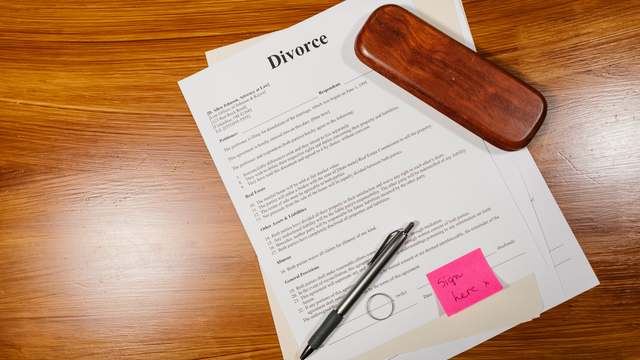
Divorce marks a significant transition in life, often filled with emotions and practical challenges. One of the first practical steps involves preparing and submitting the necessary legal documents known as divorce papers. These papers officially start the process and outline how couples will handle everything from assets to child arrangements. Whether you are considering separation or already navigating it, understanding these documents helps reduce stress and avoid unnecessary delays.
What Are Divorce Papers and Why Do They Matter?
Divorce papers refer to the collection of court forms and supporting documents filed to initiate, respond to, and finalize the end of a marriage. They serve as the formal communication to the court about your situation, requests for orders on property division, child custody, support, and more. Without properly prepared divorce papers, the process can stall or lead to unfavorable outcomes.
These documents vary by location, but they generally include a petition or complaint that starts the case, a summons to notify the other spouse, financial disclosures, and final judgment forms. The goal is to create a clear record that allows the court to make fair decisions or approve agreements reached by both parties.
In the United States, every state has its own rules, but the core purpose remains consistent: to dissolve the legal marriage while addressing related issues equitably. Many people handle uncontested cases where both spouses agree, making the paperwork simpler and less expensive. Contested cases, however, often require more detailed submissions and possibly court hearings.
Key Components Typically Found in Divorce Papers
Understanding the main elements helps you prepare thoroughly. Common sections and forms include:
- Petition for Divorce or Complaint: This foundational document states basic facts like marriage date, children involved, reasons for dissolution (often no-fault, meaning irreconcilable differences), and what you are requesting from the court.
- Summons: Notifies the other spouse of the filing and sets deadlines for response.
- Financial Affidavits and Disclosures: Detail income, expenses, assets, debts, and property. Full transparency is crucial here.
- Child-Related Forms: If minors are involved, documents cover custody, visitation (parenting time), and child support calculations.
- Property Division Schedules: List marital and separate property, often with valuations.
- Final Decree or Judgment: The court-approved document that legally ends the marriage and incorporates all agreements or orders.
Supporting documents often needed alongside divorce papers include marriage certificates, birth certificates for children, tax returns, bank statements, and prenuptial agreements if applicable.
Step-by-Step Guide to Filing Divorce Papers
The process generally follows these stages, though timelines and specifics differ by jurisdiction:
- Check Residency Requirements: Most states require at least one spouse to have lived in the state for a set period, often 3 to 6 months, and in the filing county for 90 days or similar. Verify this first to avoid dismissal.
- Gather Information and Documents: Collect financial records, proof of residency, and any relevant agreements. Organize everything clearly.
- Complete the Forms: Use official court forms where available. Many states provide self-help resources, automated tools, or printable packets. Be precise—mismatches in names, dates, or details cause rejections.
- File with the Court: Submit the starting divorce papers to the appropriate court clerk. Pay filing fees (which vary but can often be waived for low income) and get copies stamped.
- Serve the Other Spouse: Legally deliver copies of the divorce papers following court rules—personal service, mail, or publication in rare cases. File proof of service.
- Exchange Disclosures: Share financial information within required timeframes, usually 30-60 days.
- Negotiate or Litigate Agreements: Work toward settlement on key issues or prepare for hearings if disagreements persist.
- Submit Final Papers: Once resolved, file the judgment package for court approval. A waiting period (like 60 days in some states) often applies before finalization.
Throughout, keep organized records. Digital tools or folders for each category (finances, children, correspondence) prove helpful.
State Variations and Residency Considerations
Laws differ significantly. For example, California uses standardized forms like FL-100 (Petition) and FL-150 (Income and Expense Declaration), emphasizing community property division. Texas requires specific residency and offers kits for agreed divorces with or without children.
Some states are no-fault only, while others allow fault-based grounds that might influence support or property but are less common today. Community property states (like California, Texas) generally split marital assets 50/50, whereas equitable distribution states aim for fair but not necessarily equal division.
Always check your specific state’s court website or self-help center. Online resources from official sources provide the most accurate, up-to-date forms.
Handling Children, Property, and Support in Divorce Papers
When children are involved, divorce papers must address best interests, including custody schedules, decision-making, and support guidelines based on income and parenting time. Courts prioritize stability and parental involvement.
Property division requires listing all assets and debts. Marital property acquired during marriage is usually subject to division, while separate property (gifts, inheritances, pre-marital assets) may stay with the original owner. Accurate valuation and full disclosure prevent future disputes.
Spousal support (alimony) depends on factors like marriage length, income disparity, and contributions. Include requests or waivers in the papers if relevant.
Bullet Points for Common Supporting Documents:
- Marriage certificate (original or certified copy)
- Recent tax returns and pay stubs
- Bank, investment, and retirement account statements
- Mortgage and loan documents
- Vehicle titles and appraisals
- Health insurance details for children
- Any existing prenuptial or postnuptial agreements
Common Mistakes to Avoid When Preparing Divorce Papers
Many delays stem from simple errors. Here are frequent issues:
- Inconsistent information across forms (names, dates, addresses).
- Incomplete financial disclosures leading to sanctions or reopened cases.
- Incorrect service of papers, invalidating the process.
- Missing required attachments or local forms.
- Filing in the wrong county or ignoring waiting periods.
- Emotional decisions affecting realistic expectations on support or property.
Proofread multiple times or have a trusted person review. Consider free or low-cost self-help centers at courthouses for guidance. While DIY is possible for amicable cases, complex situations benefit from professional legal advice to protect rights.

Options: DIY, Online Services, or Professional Help
Many couples successfully complete their own divorce papers using court-provided resources, especially in uncontested scenarios. Official forms are often free or low-cost. Some platforms offer guided questionnaires for a fee, generating customized documents.
However, if significant assets, businesses, pensions, international elements, or high conflict exist, consulting a family law professional helps navigate nuances. Legal aid organizations assist those with limited means.
Remember, agreements reached outside court can be incorporated into final divorce papers, saving time and expense.
Preparing Emotionally and Practically
Beyond paperwork, focus on self-care. Divorce affects finances, living arrangements, and co-parenting. Create a post-divorce budget, update beneficiaries, and consider counseling. Open communication where possible eases the transition, especially for shared children.
Track all communications and maintain professionalism, as records may appear in court.
Additional Tips in Bullet Form:
- Start gathering documents early to avoid last-minute rushes.
- Back up digital copies securely.
- Understand tax implications of asset transfers and support payments.
- Plan for health insurance continuity, especially for dependents.
- Update estate planning documents after finalization.
Conclusion
Navigating divorce papers requires attention to detail, patience, and accurate information tailored to your location. By learning the required forms, following proper steps, disclosing everything transparently, and addressing key issues like children and finances thoughtfully, you set the foundation for a smoother resolution. This process, while challenging, opens the door to new beginnings. Take time to understand your options, use available resources, and seek support when needed. With careful preparation of your divorce papers, you can move forward confidently toward the next chapter.


