
Trusted Legal Help for Property Loss Claims and Damage Recovery


Introduction
Property damage can turn life upside down in a matter of minutes. A storm can tear off a roof, a kitchen fire can spread smoke through every room, a burst pipe can destroy floors and walls, or a careless driver can crash into a storefront. What follows is often stressful, expensive, and confusing. Repairs need to begin quickly, daily life is disrupted, and insurance companies begin requesting forms, statements, and documentation.
Many people believe insurance claims are straightforward. They assume that once the loss is reported, the insurer will inspect the damage, calculate costs fairly, and issue payment without delay. Sometimes that happens. However, many claims become complicated when the insurer disputes coverage, undervalues repairs, questions the cause of damage, or delays payment for weeks or months.
That is where a property damage lawyer can make a meaningful difference. Legal guidance helps homeowners, landlords, renters, and business owners understand their rights, preserve evidence, and pursue the full compensation available under the law or insurance contract.
This guide explains how these claims work, why disputes happen, when legal help becomes valuable, and how to protect your financial recovery after a loss.
What a Property Damage Claim Really Involves
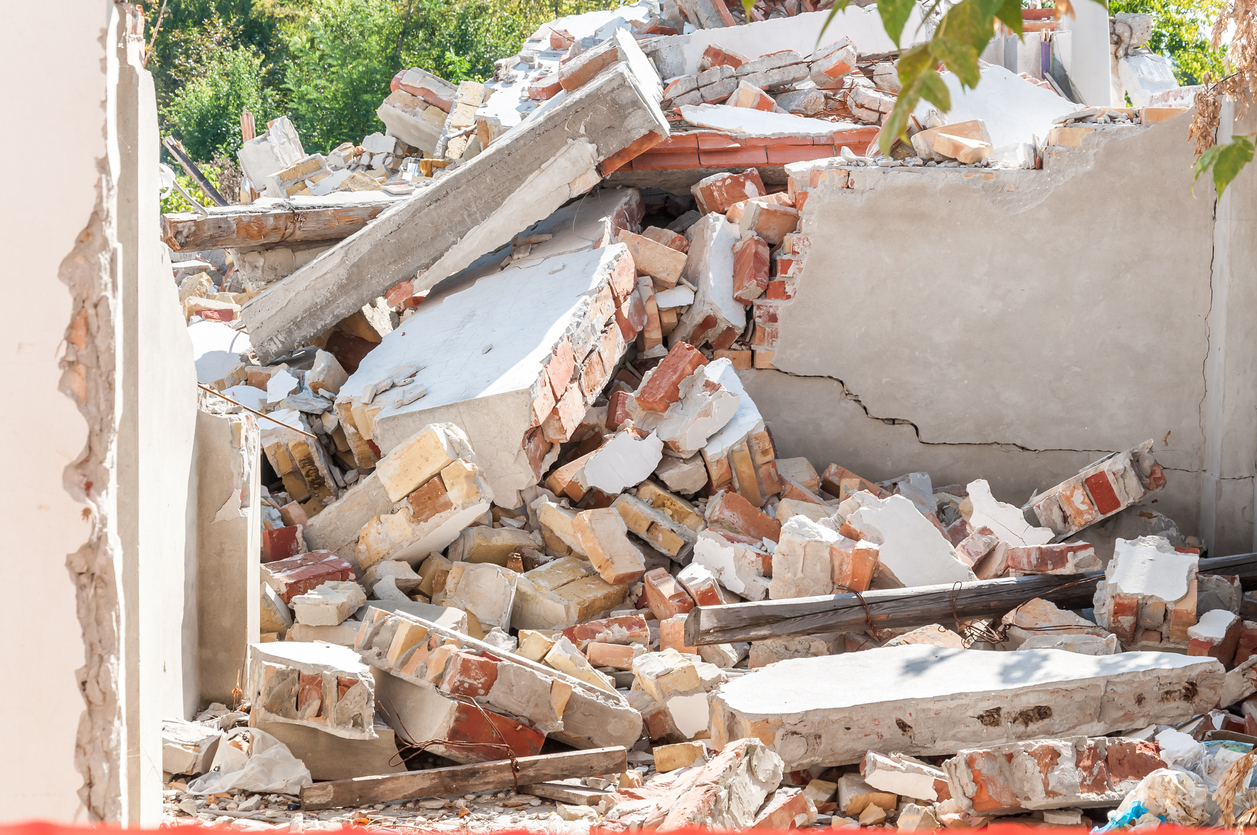
A property damage claim is not limited to replacing a broken window or patching a roof. In many cases, losses are broader than people first realize. Damage can affect the structure itself, personal belongings, safety systems, electrical wiring, plumbing, insulation, flooring, and even the ability to use the property.
For residential claims, families may need temporary housing while repairs are completed. Food spoilage, hotel stays, storage fees, and emergency cleanup costs may add up quickly. For businesses, lost revenue can become even more serious than the physical damage itself. A shop closed for two months may lose loyal customers, contracts, and seasonal sales opportunities.
Because losses often spread beyond what is visible, valuation disputes are common. An insurer may focus on surface repairs while the owner worries about mold, structural weakness, smoke contamination, or business interruption. A property damage lawyer helps identify every recoverable category of loss rather than only the most obvious repair items.
Why Insurance Claims Become Difficult
Insurance companies manage thousands of claims each year. Some are handled efficiently, while others become frustrating. Disputes do not always mean bad faith, but they can still create serious hardship for the policyholder.
One common issue is underestimation. The insurer’s contractor may prepare a low repair estimate based on limited inspection time or incomplete measurements. Another issue is policy interpretation. Coverage terms may include exclusions, deductibles, endorsements, depreciation rules, or deadlines that are difficult for the average person to interpret.
Delays also create pressure. If a family cannot live in the home or a business cannot reopen, they may feel forced to accept a lower settlement simply to move forward. In larger claims, multiple adjusters may be assigned over time, causing repeated explanations and inconsistent decisions.
When this happens, a property damage lawyer can step in to communicate directly with the insurer, review policy language, challenge weak valuations, and push the process toward resolution.
Common Types of Property Damage Cases
Property damage law covers a wide range of situations. Some involve insurance disputes, while others involve negligence by third parties.
Fire and Smoke Damage
Fire losses are often severe because destruction continues after flames are extinguished. Smoke residue can spread through ventilation systems, stain surfaces, and contaminate furniture, clothing, and electronics. Water used to extinguish the fire may create additional damage.
Claims may involve rebuilding costs, code upgrades, temporary housing, debris removal, and contents replacement. These cases frequently require detailed proof.
Water Damage and Plumbing Failures
Burst pipes, leaking appliances, sewer backups, roof leaks, and overflowing fixtures can cause expensive damage very quickly. Water may seep into drywall, cabinetry, flooring, and hidden cavities.
Disputes often center on whether the damage was sudden or gradual, because some policies treat those situations differently.
Storm, Wind, and Hail Losses
Weather events can damage roofs, siding, windows, fences, outdoor structures, vehicles, and landscaping. After widespread storms, insurers face high claim volume, which may slow inspections and payments.
Vehicle Impact Damage
Cars and trucks sometimes strike garages, storefronts, fences, gates, or utility poles. Liability may involve both the driver’s insurance and the property owner’s own coverage.
Construction and Contractor Damage
Poor workmanship, defective materials, unsafe excavation, or negligent remodeling may crack foundations, create leaks, or cause structural instability.
In all of these scenarios, a property damage lawyer can determine whether compensation should come from an insurance policy, a negligent third party, or both.
The Hidden Cost of Property Loss
People often focus first on visible destruction. Yet the hidden financial impact can be just as serious. When a family must relocate, hotel bills and meal costs can rise quickly. When a business closes, payroll may continue even though revenue stops. When repairs drag on, interest on loans or credit cards may increase.
There is also the emotional cost. Living in temporary housing, breathing dust during reconstruction, losing sentimental belongings, or seeing customers disappear can create real stress.
Because these secondary losses matter, compensation should not be limited to a narrow repair estimate. A property damage lawyer often works to ensure all documented losses are considered.
When You Should Consider Legal Help
Not every claim requires an attorney. Minor losses with prompt, fair payment may resolve smoothly. However, several warning signs suggest professional guidance may be wise.
If the insurer repeatedly delays inspections or decisions, valuable time may be lost. If you receive an offer that seems far below contractor estimates, the claim may be undervalued. If coverage is denied based on technical wording you do not understand, legal review becomes especially important.
Claims involving fires, business interruption, structural issues, mold, or multiple causes of loss are also more complex than average. These cases often benefit from early strategy.
Many people wait too long because they assume the process will improve on its own. In reality, early involvement from a property damage lawyer can preserve leverage, protect deadlines, and reduce costly mistakes.
What an Attorney Actually Does in These Cases

Some people imagine that lawyers only file lawsuits. In property damage matters, much of the work happens long before court becomes necessary.
The first step is usually policy and evidence review. The attorney studies coverage terms, exclusions, deductibles, limits, and deadlines. They then examine photographs, estimates, invoices, expert reports, maintenance records, and communications from the insurer.
Next comes claim development. This means calculating the real value of losses, not simply accepting the insurer’s estimate. Depending on the case, that may involve engineers, contractors, accountants, or restoration specialists.
Negotiation is another major role. A well-prepared legal demand often receives more serious attention than unsupported complaints. If the insurer still refuses to act fairly, litigation may become the next step.
A skilled property damage lawyer combines technical knowledge, negotiation strategy, and courtroom readiness when needed.
Understanding Insurance Valuation Methods
Many claim disputes arise because different people use different valuation methods. The insurer may estimate actual cash value, while the policyholder expects replacement cost. Depreciation may be applied differently to older materials. Matching issues can arise when only part of a roof or floor is approved.
Consider flooring. If water damages half of a room, replacing only one section may create an obvious mismatch. Some policies or local laws may support broader replacement, while others may not.
Roofing disputes are also common. One party may suggest patching several shingles while the owner’s contractor recommends full replacement due to age, brittleness, or code concerns.
Because these valuation questions involve policy language and practical construction standards, a property damage lawyer can be valuable in bridging the gap between legal rights and repair reality.
Important Evidence After a Loss
Strong claims rely on documentation. The more organized the evidence, the harder it becomes to minimize the damage.
Photographs and videos should be taken as soon as safely possible. Wide shots show overall impact, while close-ups capture detail. Keep receipts for emergency spending such as tarps, cleanup crews, pumps, hotel stays, and replacement essentials.
Contractor estimates provide real-world pricing. Independent inspections may reveal hidden moisture, smoke contamination, or structural concerns that quick adjuster visits miss. Written communication logs are also useful. Note dates, names, and summaries of calls.
For businesses, profit-and-loss statements, payroll records, reservations, sales history, and supplier contracts may support interruption claims.
A property damage lawyer can organize this evidence into a persuasive claim package rather than a pile of disconnected documents.
Residential Claims: Why Homeowners Struggle
Homeowners often face unique pressure because the damaged property is also where they live. Children may need stability, routines are disrupted, and repairs can feel urgent. That urgency sometimes leads people to accept low offers.
Another issue is lack of technical knowledge. Most people do not know whether insulation behind walls must be replaced after water intrusion or whether smoke odor in HVAC systems requires professional remediation.
Insurers and contractors speak in specialized terms that homeowners may hear only once in a lifetime. Legal support helps level the playing field. A property damage lawyer can translate complex processes into clear decisions while protecting the homeowner’s financial interests.
Commercial Claims: Higher Stakes, More Complexity
Business owners often face larger numbers and more moving parts. A damaged restaurant may lose bookings, inventory, staff confidence, and online reviews. A warehouse may face delayed shipments and contractual penalties. An office may lose access to records or equipment.
Business interruption coverage can be especially complex. It may require proving what revenue likely would have been if the loss had not occurred. Seasonal trends, historical sales, market conditions, and extra expenses all matter.
Because commercial claims involve accounting as well as construction issues, they require careful preparation. Many companies turn to a property damage lawyer to coordinate experts and protect continuity during a stressful period.
Should You Settle or File a Lawsuit?
Most property disputes do not end in trial. Many settle once the insurer sees the claim is documented and represented seriously. Still, the ability to file suit can be important leverage.
Settlement offers speed and certainty. Litigation offers subpoena power, formal discovery, and judicial oversight. The right path depends on the amount in dispute, evidence strength, insurer conduct, and the client’s priorities.
Some clients want quick resolution to move on. Others need full compensation because the gap is too large to absorb. A good attorney explains both paths honestly rather than pushing one option automatically.
An experienced property damage lawyer should treat litigation as a tool, not the only solution.
How Fees Commonly Work
People often assume hiring an attorney is unaffordable after a costly loss. In practice, fee structures vary widely.
Some cases use contingency arrangements, where payment comes from recovery. Others use hourly billing or limited-scope flat fees for review and negotiation. The best arrangement depends on claim size, complexity, and jurisdiction.
Always request a written fee agreement. It should explain percentages, expenses, billing practices, and what happens if no recovery occurs.
Transparency matters just as much as skill when selecting representation.
Mistakes That Can Reduce Compensation
Several common mistakes weaken otherwise valid claims. One is failing to document damage before cleanup. Emergency mitigation is necessary, but photos should be taken whenever safely possible first.
Another mistake is discarding damaged items too soon. Those items may help prove value or severity. Missing deadlines is also dangerous. Policies and state laws may impose notice periods or suit limitations.
Some people provide recorded statements without preparation and speculate about causes they do not truly know. Others rely only on the insurer’s estimate and never seek independent bids.
Avoiding these errors can significantly improve results.
How to Choose the Right Attorney

Experience matters, but so does communication. You need someone who can explain options clearly and respond when stress is high.
Ask how often they handle insurance disputes or property loss matters. Ask who will manage the case day to day. Ask whether they work with engineers, contractors, accountants, or restoration experts when needed.
Also ask for realistic expectations. Be cautious of anyone guaranteeing exact outcomes. Trustworthy counsel explains risks as well as opportunities.
The right property damage lawyer should feel both competent and transparent from the first conversation.
Frequently Asked Questions
How soon should I seek legal advice after damage occurs?
If the loss is major, denied, delayed, or undervalued, early advice is wise. Waiting can reduce leverage and complicate evidence gathering.
Can I hire an attorney after starting my own claim?
Yes. Many people seek help after negotiations stall or offers seem too low.
What if hidden damage appears later?
Supplemental claims may be possible depending on policy terms and timing. Report new findings quickly.
Will my case go to court?
Not necessarily. Many disputes settle through negotiation once evidence is properly presented.
How long does resolution take?
Simple claims may resolve in weeks. Complex or litigated claims can take months or longer.
Can businesses recover lost income too?
Often yes, if the policy includes business interruption or related coverage.
Quick Claim Comparison Table
| Situation | Risk Without Help | Potential Benefit of Legal Review |
|---|---|---|
| Low Settlement Offer | Underpaid repairs | Higher documented valuation |
| Coverage Denial | No recovery | Policy challenge possible |
| Business Closure | Revenue loss grows | Faster pressure for action |
| Large Fire Claim | Hidden losses missed | Full scope assessment |
| Repeated Delays | Financial strain | Stronger deadlines and negotiation |
Conclusion: Act Early and Protect Your Recovery
Property loss can feel overwhelming, but you do not have to navigate the process blindly. Insurance policies are contracts, and claim decisions are not always final or fair. Whether the damage comes from fire, water, storms, accidents, or negligence, the right strategy can dramatically affect the outcome.
If your claim is delayed, denied, or undervalued, do not assume you must accept less than you need to rebuild. Gather evidence, stay organized, obtain independent estimates, and seek professional guidance promptly.
A knowledgeable property damage lawyer can review your rights, calculate true losses, negotiate from a position of strength, and help you move forward with confidence. When the stakes involve your home, business, or financial stability, timely action is often the smartest investment you can make.
Read More:-Protection Guide for Uninsured Motorist Property Damage Claims Help


