
Property Damage Liability Explained: Coverage, Claims, Risks, and Smart Protection Strategies


Introduction
When accidents happen, many people immediately think about injuries, medical bills, and recovery. While those issues are serious, damage to property can be just as expensive and stressful. A single mistake may result in repair costs for a vehicle, broken structures, damaged equipment, or even legal claims from another party. This is why understanding property damage liability is essential for drivers, homeowners, renters, business owners, and contractors alike.
In the simplest terms, property damage liability refers to financial responsibility when you cause damage to someone else’s property. It may arise from a car accident, negligence at home, business operations, or a construction error. If you are found responsible, you may have to pay for repairs, replacement costs, cleanup expenses, and in some cases legal defense.
Many people only learn about this topic after receiving a bill or claim notice. By then, the situation can already be costly. The smarter approach is to understand how liability works before something goes wrong. This guide explains what property damage liability means, how insurance responds, common disputes, ways to prevent claims, and how to protect your finances.
What Is Property Damage Liability?
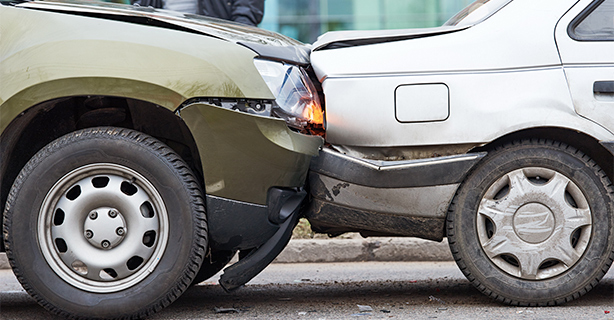
Property damage liability is the obligation to pay for harm caused to another person’s physical property. That property may include cars, homes, fences, electronics, storefronts, tools, landscaping, or public structures.
If someone’s actions are careless or negligent and cause damage, the affected party may seek compensation. In many cases, insurance helps cover those costs if the event falls within policy terms.
For example, if a driver crashes into a parked car, if a contractor breaks a client’s window during renovations, or if a homeowner’s neglected tree falls onto a neighbor’s garage, liability may apply.
This concept is common in several types of insurance:
- Auto liability insurance
- Homeowners liability coverage
- Renters liability coverage
- General business liability insurance
- Commercial auto insurance
- Umbrella insurance policies
Although policies differ, the core idea remains the same: if you damage someone else’s property and are legally responsible, you may owe money.
Why Property Damage Liability Matters
Some people assume property claims are minor because no one was physically hurt. In reality, property losses can become expensive very quickly.
Modern vehicles contain advanced sensors, cameras, electronics, and specialty materials. A simple collision can lead to repair bills worth thousands. Damage to a building can require structural repairs, permits, labor, and temporary closure costs. Water damage may spread behind walls and create mold concerns. Commercial equipment can be costly to replace.
Even a seemingly small incident can become financially serious. That is why property damage liability matters so much. Without proper coverage or planning, one mistake may affect savings, business cash flow, or personal assets.
Common Situations Where Liability Claims Arise
Vehicle Accidents
This is one of the most common sources of claims. If you hit another vehicle, a fence, garage door, mailbox, traffic sign, or storefront, you may be liable for the damage.
Homeowner Negligence
Property owners have duties to maintain reasonably safe conditions. A dead tree that falls, a leaking pipe that damages another unit, or an unattended fire pit may create liability.
Rental Property Disputes
Tenants and landlords often disagree over damage to walls, flooring, appliances, plumbing, or fixtures. Some issues are normal wear and tear, while others may involve negligence.
Business Operations
Companies that deliver products, repair equipment, or work on customer property face risk daily. One employee mistake can damage expensive property.
Construction and Renovation Work
Contractors may accidentally crack foundations, cut wires, burst pipes, damage flooring, or harm landscaping during projects.
How Insurance Usually Works
When damage occurs, insurance companies investigate facts before paying claims. They want to know:
- Who caused the damage?
- Was negligence involved?
- Is the claim covered by the policy?
- Are exclusions applicable?
- What is the repair or replacement cost?
- Are multiple parties responsible?
If the claim is accepted, the insurer may negotiate payment, pay the damaged party directly, reimburse approved expenses, or arrange repairs.
Coverage amounts depend on policy limits. If losses exceed those limits, the person at fault may owe the remaining balance personally.
That is why carrying adequate property damage liability limits is important.
Liability Coverage vs Coverage for Your Own Property
Many people confuse liability insurance with insurance that covers their own belongings.
Liability Coverage
This generally pays when you damage someone else’s property and are legally responsible.
First-Party Property Coverage
This protects your own property, such as your car, home, office equipment, or belongings, depending on policy type.
For example, if you crash into another car, your liability coverage may pay for their repairs. If your own vehicle is damaged, collision coverage may apply instead.
Understanding the distinction prevents unpleasant surprises after a claim.
How Fault Is Determined
Liability does not automatically apply just because damage happened. Responsibility usually depends on evidence.
Insurers and courts may review:
- Photos and video footage
- Witness statements
- Police or incident reports
- Maintenance records
- Contracts and agreements
- Inspection reports
- Expert opinions
- Weather conditions
- Safety code compliance
Sometimes fault is clear. Other times, both parties share blame. If a parked vehicle was illegally placed in a dangerous area, for example, comparative fault rules may affect outcomes depending on jurisdiction.
What Property Can Be Included in Claims
The word “property” covers more than buildings and cars. It may include:
- Vehicles and motorcycles
- Homes and garages
- Fences and gates
- Sidewalks or driveways
- Retail displays
- Office equipment
- Computers and electronics
- Landscaping and trees
- Utility poles or signs
- Tools and machinery
Because property categories vary, claim values can range from modest to extremely large.
Common Exclusions to Understand
Even strong insurance policies have limits. Some events may not be covered.
Intentional Damage
If damage is caused on purpose, insurance usually refuses payment.
Wear and Tear
Old roofs, rusted plumbing, decayed wood, and aging systems are maintenance issues, not sudden accidents.
Business Use Under Personal Policies
Using a personal vehicle or home for business may create coverage gaps.
Illegal Acts
Losses connected to criminal or unlawful behavior are often excluded.
Contractual Assumptions
If you sign a contract accepting special liability beyond normal law, insurance may not automatically cover it.
Reading policy wording carefully is one of the best ways to avoid misunderstandings.
How Claim Values Are Calculated
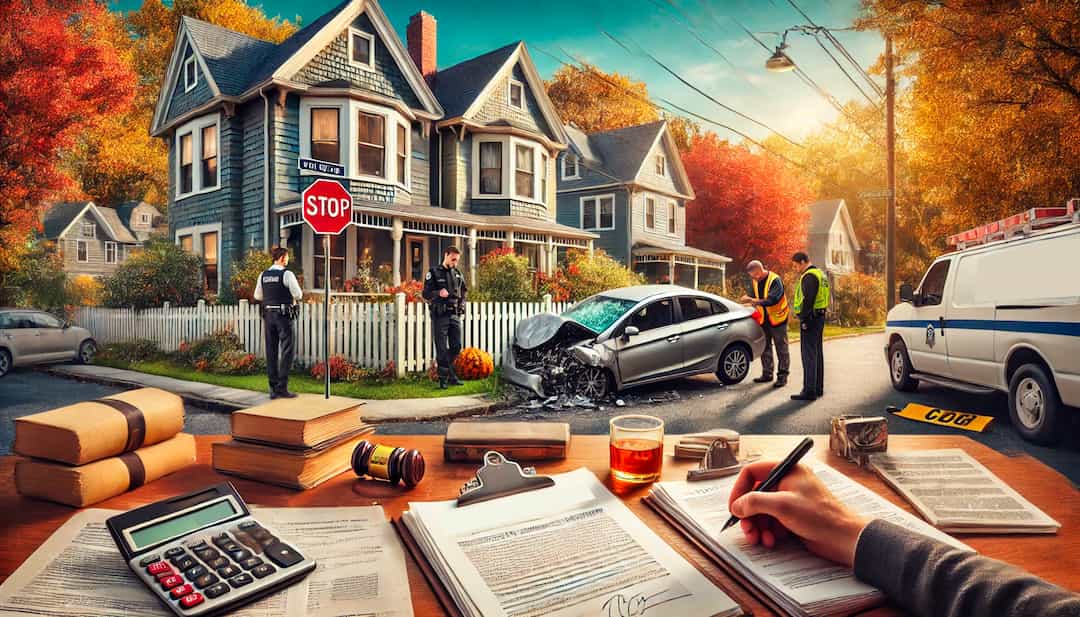
Insurance companies do not simply guess a payout amount. They typically review multiple factors.
Repair estimates are a starting point. They may compare labor rates, materials, replacement parts, depreciation, salvage value, and market pricing.
For example, replacing a scratched bumper is different from repairing structural vehicle damage. Repainting one wall differs from rebuilding an entire section after water intrusion.
Claims may also involve:
- Cleanup costs
- Temporary protective measures
- Towing or removal expenses
- Loss of use in some cases
- Professional inspections
If disputes arise, independent estimates can be helpful.
What to Do Right After Damage Happens
The first few hours after an incident matter. Calm, organized action can improve outcomes significantly.
Protect Safety First
If there is fire, water leakage, exposed wires, traffic danger, or collapse risk, prioritize safety immediately.
Document Everything
Take photos, videos, and written notes before repairs begin if possible. Capture dates, times, weather, and surrounding conditions.
Notify the Other Party
Tell the property owner, client, landlord, or affected person promptly. Delays often create suspicion.
Contact Insurance Quickly
Most policies require timely notice. Waiting too long may complicate the claim.
Prevent Further Damage
Reasonable emergency steps such as shutting off water or covering broken windows may reduce losses.
These actions often strengthen a property damage liability case.
Mistakes People Commonly Make
Many claims become harder because of avoidable errors.
Some people admit fault emotionally before facts are clear. Others fail to take photos, discard damaged items, ignore repair estimates, or wait weeks before notifying insurers.
Another common mistake is accepting the first settlement offer without understanding full repair costs.
Documentation and patience are often more valuable than quick assumptions.
Property Damage Liability in Auto Insurance
For drivers, liability coverage is among the most important parts of a policy. It may pay when you damage:
- Another vehicle
- A building wall
- Fences or gates
- Mailboxes
- Road signs
- Utility structures
- Parked property
Many regions legally require minimum limits. However, minimum limits may be outdated compared with modern repair costs.
A luxury vehicle with sensors, cameras, and specialty paint can be expensive to repair. A damaged storefront or electrical system may cost even more.
Because of that, increasing property damage liability limits is often a smart financial decision.
Homeowners and Renters Liability
People often assume liability only matters for drivers. In reality, home-related claims are common.
A guest may accidentally trip into expensive furniture. A candle may cause smoke damage to a neighboring unit. A balcony planter may fall and break property below.
Homeowners and renters policies often include liability protection, but limits and exclusions vary.
It is wise to review policies regularly, especially after moving, renovating, or buying valuable assets.
Business Liability Risks
Businesses face broader exposure because they interact with customers, vendors, equipment, and physical locations regularly.
Examples include:
- Delivery trucks damaging property
- Installers breaking flooring or cabinets
- Cleaning staff staining expensive surfaces
- Contractors damaging pipes or electrical systems
- Employees mishandling customer equipment
For businesses, one serious property claim may disrupt revenue and reputation. Strong general liability insurance and operational controls are essential.
Construction and Contractor Exposure
Contractors often work in environments where expensive systems are hidden behind walls or underground. One error may cause chain reactions.
Cutting into plumbing can flood multiple rooms. Hitting a cable line may interrupt operations. Incorrect demolition can crack foundations.
Because of these risks, contractors often need specialized insurance, clear contracts, inspections, and careful documentation.
Shared Fault Situations
Not every case is all-or-nothing. Sometimes both sides contributed to the loss.
A homeowner may fail to disclose weak flooring before movers arrive. A business may leave fragile items in an unsafe work area. A parked vehicle may be left in a prohibited zone.
Depending on local law, damages may be divided proportionally. Shared fault can reduce or increase what each party pays.
When Claims Become Lawsuits
Most claims settle without court. However, lawsuits may occur when:
- Fault is denied
- Damages are large
- Insurance limits are insufficient
- Multiple parties are involved
- Negotiations fail
- Business contracts complicate liability
Once litigation begins, evidence becomes even more important. Emails, inspection reports, photos, invoices, and witness statements can strongly affect outcomes.
How to Reduce Future Risk
Preventing incidents is almost always cheaper than paying claims.
For Drivers
Maintain brakes, tires, lights, and mirrors. Avoid distractions and keep safe following distances.
For Homeowners
Trim dangerous trees, repair leaks early, secure outdoor hazards, and inspect electrical systems.
For Renters
Use appliances responsibly, report maintenance problems quickly, and avoid unauthorized modifications.
For Businesses
Train staff, inspect tools, use written procedures, and photograph customer property before service begins.
For Contractors
Use utility checks, protective barriers, permits, and project documentation.
Risk reduction lowers the chance of property damage liability problems.
Should You Increase Liability Limits?

Many people focus only on getting the cheapest insurance. But low limits can be risky.
Imagine carrying a small liability limit and causing major damage to a modern vehicle and nearby structure. Insurance may pay up to the limit, but the rest could become your responsibility.
Higher limits are often affordable relative to the protection gained. It is worth comparing options annually.
The Role of Umbrella Insurance
Umbrella insurance adds extra liability protection above certain primary policies.
It may help households or businesses with:
- Significant savings or assets
- Multiple vehicles
- Rental properties
- Frequent guests
- Higher public exposure
- Increased lawsuit risk
If a serious claim exceeds base policy limits, umbrella coverage may provide additional protection.
When to Speak With a Lawyer
Legal guidance may be wise if:
- You receive a lawsuit notice
- A claim is denied unfairly
- Damages are substantial
- Fault is disputed
- Business contracts are involved
- Multiple insurers are arguing responsibility
An attorney can explain rights, negotiate settlements, and protect against costly mistakes.
Frequently Asked Questions
Does property damage liability pay for my own property?
Usually no. It generally applies to damage you cause to someone else’s property.
Can I be sued if I have insurance?
Yes. Insurance may defend or settle claims, but lawsuits can still happen.
How long do claims take?
Simple claims may resolve in weeks. Complex disputes can take months or longer.
What if both parties are partly at fault?
Some jurisdictions divide damages based on each party’s percentage of responsibility.
Is this coverage required for drivers?
In many places, yes. Minimum amounts vary by location.
Should I accept the first offer?
Not always. Compare repair estimates and understand full losses first.
What is it?
Financial responsibility for damage caused to another person’s property.
Who needs it?
Drivers, homeowners, renters, landlords, contractors, and businesses.
What can it cover?
Repairs, replacement, cleanup costs, and sometimes legal defense.
Why is it important?
Even small accidents can create large repair bills or lawsuits.
Conclusion: Protect Yourself Before a Claim Happens
Property damage issues can arise from everyday situations: a driving mistake, a household accident, a business error, or a construction mishap. What seems minor at first can quickly turn into thousands in repairs, lost time, and stressful negotiations.
Understanding property damage liability gives you an advantage. It helps you choose better insurance limits, respond correctly after incidents, document evidence, and avoid expensive mistakes. Instead of waiting until a claim appears, review your policies now, strengthen weak coverage, and reduce risks around your home, vehicle, or business.
The smartest move is proactive protection. A few minutes spent reviewing coverage today may save you major financial trouble tomorrow
Read More:-Body Injury and Property Damage: Complete Guide to Claims, Coverage, and Financial Protection


