

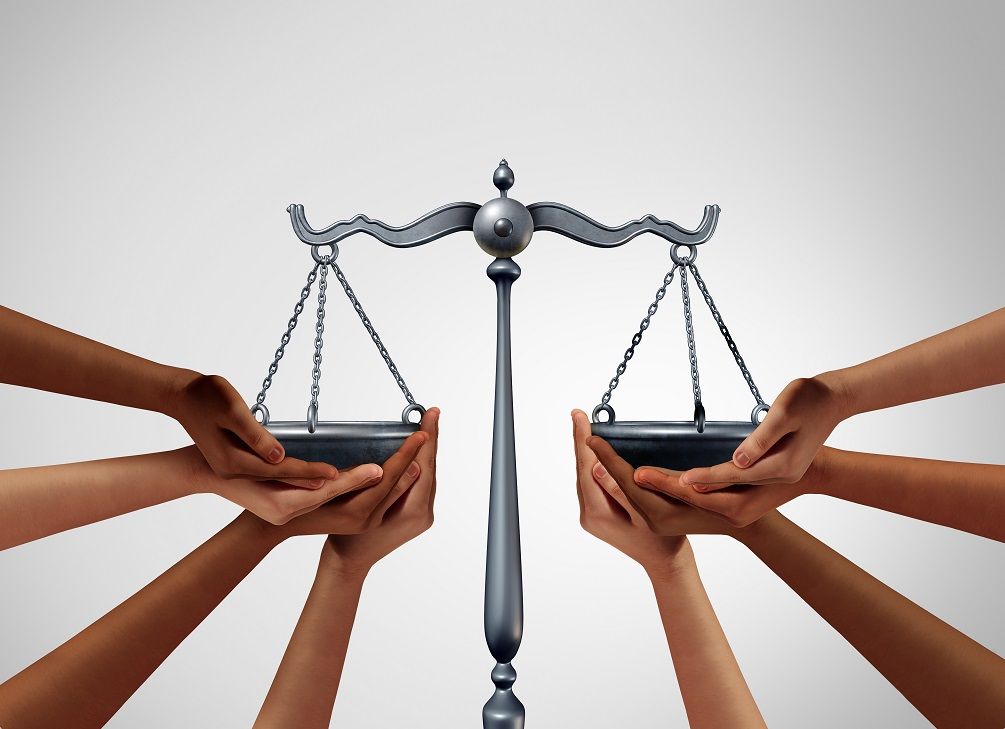
Understanding Equality in Modern Society
Every society hopes to provide people with opportunities to grow, succeed, and live with dignity. However, the reality is often different because many individuals face barriers related to income, education, gender, disability, race, or social background. These differences can prevent people from reaching their full potential. What is social justice is a question that helps us understand how communities can reduce these inequalities and create fairer systems. Rather than focusing only on equal treatment, social justice aims to ensure that everyone has access to the resources and opportunities they need to thrive. It is an idea that influences education, healthcare, employment, public policy, and community development across the world.
The Meaning and Purpose of Social Justice
At its core, social justice is built on the belief that every person deserves fairness, dignity, and respect. It promotes equal access to rights, opportunities, and essential services regardless of personal circumstances. While equality means treating everyone the same, social justice recognizes that some individuals require additional support because they begin from different starting points. This approach helps remove obstacles created by historical discrimination, poverty, or unequal access to resources. Governments, schools, businesses, and nonprofit organizations all play important roles in building fair systems that encourage inclusion rather than exclusion. When these institutions work together, societies become stronger, healthier, and more prosperous for everyone.
Core Principles That Shape Social Justice
Several guiding principles form the foundation of a socially just society. These values help communities make decisions that benefit all citizens instead of only a privileged few.
| Principle | Why It Matters | Everyday Example |
|---|---|---|
| Equality | Ensures equal legal rights | Equal hiring opportunities |
| Equity | Provides support based on individual needs | Scholarships for disadvantaged students |
| Inclusion | Encourages participation from everyone | Accessible public buildings |
| Human Rights | Protects dignity and freedom | Freedom of speech and education |
| Participation | Gives citizens a voice | Community decision-making meetings |
These principles often work together rather than separately. A community that values inclusion usually also promotes equal opportunities and protects human rights through effective laws and public policies.
Why Social Justice Is Important
Communities flourish when people believe they are treated fairly. Access to quality education allows children to develop valuable skills, while affordable healthcare enables families to live healthier lives. Fair employment practices help workers earn stable incomes and support their households. When people are excluded from these opportunities, social and economic inequalities become more severe.
Understanding what is social justice encourages governments and organizations to identify these gaps and develop solutions that create long-term improvements. Policies supporting equal education, workplace fairness, disability inclusion, and affordable housing are all examples of efforts designed to reduce inequality. Although progress may take time, these initiatives contribute to safer neighborhoods, stronger economies, and greater trust among citizens.
Social Justice in Education
Education remains one of the most powerful tools for reducing inequality. Every child deserves access to qualified teachers, safe schools, learning materials, and opportunities to succeed regardless of family income or location. Unfortunately, educational quality often varies significantly between communities.
Social justice in education focuses on removing these barriers by improving school funding, supporting students with disabilities, expanding scholarship programs, and encouraging inclusive classrooms. Teachers also play an essential role by creating environments where students from diverse backgrounds feel respected and valued. When education becomes more accessible, it opens doors to better careers, stronger communities, and increased economic growth.
Social Justice in the Workplace
Workplaces are another important area where fairness matters. Employees should receive equal opportunities for hiring, promotion, training, and compensation based on their abilities rather than personal characteristics. Inclusive workplaces encourage innovation because people with different experiences contribute unique ideas and perspectives.
Many organizations now invest in diversity programs, equal pay initiatives, flexible work arrangements, and anti-discrimination policies. These efforts help employees feel respected while improving overall productivity. Businesses that prioritize fairness often experience higher employee satisfaction, better teamwork, and stronger reputations among customers and investors.
Read More:- World Day of Social Justice: History, Importance and Global Impact


