
Body Injury and Property Damage: Complete Guide to Claims, Coverage, and Financial Protection


Introduction
Accidents can happen anywhere and at any time. A simple mistake while driving, a slip on a wet floor, a construction error, or a home-related accident can quickly turn into a costly legal and financial issue. In many of these situations, two major categories of loss appear again and again: harm to people and harm to physical property. That is where body injury and property damage becomes an important concept.
Most people hear these terms when buying car insurance or reviewing business liability coverage. However, many do not fully understand what they mean until they face a real claim. By then, confusion about coverage limits, legal responsibility, repair costs, medical bills, and settlement options can create even more stress.
Understanding how body injury and property damage works is essential for drivers, homeowners, landlords, business owners, and anyone who wants to protect personal finances. These claims can involve hospital expenses, lost wages, pain and suffering, vehicle repairs, damaged buildings, equipment replacement, or even lawsuits.
This guide explains the meaning of these terms, how claims are calculated, common examples, insurance protection strategies, and practical steps you can take if an accident happens. The goal is to make a complex subject simple and useful, even if you have never filed a claim before.
What Does Body Injury and Property Damage Mean?

The phrase body injury and property damage usually refers to two separate forms of liability that can result from negligence or accidental conduct.
Body injury refers to physical harm caused to another person. This can include cuts, fractures, burns, emotional trauma linked to injury, disability, or other medical consequences. If someone requires treatment because of an accident caused by another party, bodily injury damages may be claimed.
Property damage refers to harm caused to physical belongings or structures. This may involve cars, motorcycles, homes, fences, walls, business equipment, electronics, or public property.
These two categories often appear together. For example, a vehicle crash may injure another driver while also damaging their car. A contractor’s mistake may injure a customer and destroy nearby property at the same time.
Because of this, insurance policies often separate limits for bodily injury and property losses.
Why These Claims Matter So Much
Even a relatively minor accident can become expensive. Many people assume that if damage looks small at first glance, the costs will stay manageable. In reality, claims can grow quickly.
A car bumper scratch may reveal deeper frame damage. A minor fall may lead to months of physical therapy. A broken pipe may damage floors, walls, wiring, and furniture.
When body injury and property damage claims arise, expenses may include:
Medical treatment, ambulance charges, surgery, medication, therapy, lost income, vehicle repairs, towing, rental transportation, legal fees, structural rebuilding, cleanup costs, and future care expenses.
Without proper insurance, these costs may need to be paid personally.
That is why understanding coverage before an accident is one of the smartest financial decisions a person can make.
Common Situations Where Claims Happen
Auto Accidents
Vehicle collisions are one of the most common sources of body injury and property damage claims. A distracted driver, speeding, poor weather, or failure to yield can cause injuries and damage within seconds.
In these cases, one claim may involve medical care for passengers while another covers repairs to cars, street signs, or buildings.
Homeowner Incidents
Homeowners may face liability if a visitor is injured on unsafe stairs, slippery walkways, or falling objects. Fires and water leaks may also damage neighboring property.
Business Operations
Retail stores, offices, restaurants, and contractors face daily risks. A loose shelf, faulty installation, or hazardous floor can injure customers and damage personal belongings.
Rental Property Issues
Landlords may face claims if maintenance problems create unsafe conditions. Broken railings, electrical faults, or structural failures can lead to injuries and damage.
Construction and Industrial Work
Heavy equipment, materials, and active work zones increase risk. Claims may involve workers, visitors, vehicles, and nearby structures.
How Insurance Coverage Usually Works
Many insurance policies are designed to protect the policyholder if they accidentally cause harm to others.
For example:
- Auto insurance often includes liability coverage.
- Homeowner insurance may include personal liability protection.
- Commercial policies protect businesses from lawsuits.
- Umbrella policies provide extra limits beyond standard coverage.
In a typical claim involving body injury and property damage, the insurer may investigate the incident, negotiate settlements, pay covered losses up to policy limits, and sometimes provide legal defense.
However, not everything is automatically covered. Policies may contain exclusions, deductibles, reporting requirements, and maximum limits.
Always read policy language carefully.
Understanding Coverage Limits
Many people buy insurance without checking whether the limits are realistic. That can be dangerous.
Here is a simple example:
| Coverage Type | Example Limit | What It Covers |
|---|---|---|
| Bodily Injury Per Person | $50,000 | One injured person |
| Bodily Injury Per Accident | $100,000 | All injuries in one event |
| Property Damage | $25,000 | Damage to others’ property |
| Umbrella Liability | $1,000,000 | Additional protection |
Imagine a serious crash involving hospital treatment and a luxury vehicle. Costs may exceed low limits quickly.
That is why higher protection can be valuable, especially when body injury and property damage exposure is significant.
How Fault Is Determined
Insurance companies and courts often ask one main question: who caused the loss?
Fault is determined through evidence such as:
Police reports, witness statements, photos, video footage, repair analysis, medical records, weather conditions, scene diagrams, and expert opinions.
Sometimes fault is clear. Other times, responsibility is shared.
For example, one driver may run a stop sign while another was speeding. In such cases, compensation may be reduced depending on local negligence rules.
When disputes arise, body injury and property damage claims can take longer and become more complex.
How Injury Claims Are Valued
No two injuries are identical. A bruised shoulder and a spinal injury cannot be valued the same way.
Factors often considered include:
Severity of injury, treatment required, recovery time, lost wages, pain level, emotional distress, long-term disability, and future medical needs.
Temporary injuries may settle faster. Permanent injuries often require deeper analysis and larger compensation discussions.
Documentation matters greatly. If treatment records are incomplete, the claim may lose value.
How Property Damage Claims Are Valued
Property claims usually focus on repair or replacement cost.
For vehicles, insurers may consider:
Market value, age, condition, mileage, repair estimates, salvage value, and whether the car is totaled.
For buildings or homes:
Material cost, labor, code upgrades, depreciation, cleanup, and temporary living costs may matter.
In larger body injury and property damage claims, property valuation disputes are common, especially when sentimental or custom items are involved.
What To Do Immediately After an Accident
The first hour after an accident can strongly affect the final outcome.
Prioritize Safety
Move to a safe area if possible and call emergency services when anyone is hurt.
Document Everything
Take photos of injuries, vehicles, property, weather, road conditions, and surrounding hazards.
Exchange Information
Collect names, phone numbers, insurance details, registration numbers, and witness contacts.
Report Promptly
Notify your insurer quickly. Delays can create unnecessary complications.
Seek Medical Attention
Even if symptoms seem mild, some injuries appear later.
Good early action often improves body injury and property damage claim outcomes.
Common Mistakes That Reduce Compensation
Many people damage their own case without realizing it.
They delay treatment, throw away receipts, fail to take photos, accept low settlement offers, or speak carelessly on recorded calls.
Some post social media updates suggesting they are fully healthy while still claiming injury.
Others repair property before documenting the damage.
In body injury and property damage matters, details matter. One avoidable mistake can cost a large amount of money.
Should You Accept the First Offer?
Not always.
Initial offers are sometimes fair, especially in simple cases. But they may also come before the full extent of injuries or hidden damage is known.
Ask yourself:
- Have all medical bills arrived?
- Do I know future treatment needs?
- Has property damage been fully inspected?
- Have I missed work income?
- Are pain and inconvenience considered?
If the answer is unclear, rushing may be expensive.
When to Hire a Lawyer
Some claims can be handled alone. Others need professional help.
Consider legal advice when:
Serious injuries occurred, liability is disputed, multiple vehicles were involved, policy limits are low, a denial was issued, or the insurer is delaying payment.
A lawyer can help gather evidence, calculate damages, negotiate aggressively, and protect deadlines.
In high-value body injury and property damage disputes, professional representation often improves results.
Business Owners and Liability Exposure
Businesses face larger risks because they interact with customers, vendors, staff, and the public.
A restaurant may face slip injuries. A contractor may damage a client’s home. A delivery company may cause road accidents.
Risk management should include:
Employee training, regular inspections, maintenance schedules, written safety rules, incident reporting systems, and adequate insurance.
Ignoring risk today can create expensive body injury and property damage claims tomorrow.
How to Reduce Future Risk
The best claim is the one that never happens.
Drivers should avoid distractions, obey speed limits, and maintain vehicles.
Homeowners should repair loose steps, improve lighting, and clear hazards.
Businesses should inspect premises regularly and train employees.
Landlords should respond quickly to repair requests.
Keeping proper insurance is also essential. Prevention and preparation work together.
Why Documentation Wins Claims
Strong documentation creates credibility.
Keep:
Photos, receipts, medical invoices, doctor notes, repair estimates, wage statements, emails, call logs, and claim reference numbers.
When facts are organized, adjusters and lawyers can assess losses faster.
Poor documentation often weakens otherwise valid body injury and property damage claims.
Special Role of Umbrella Insurance
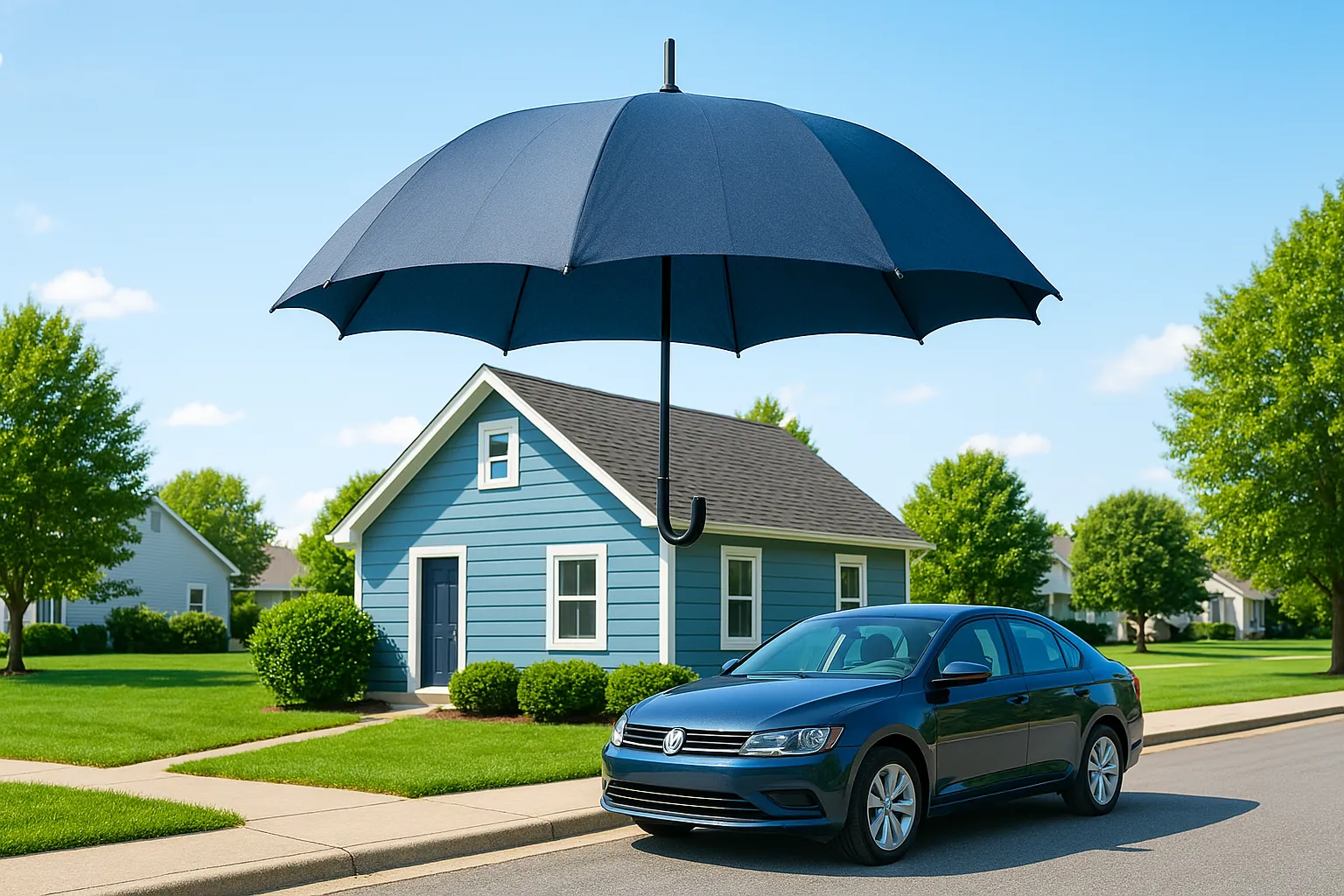
Standard liability limits may not be enough after a severe accident.
Umbrella insurance adds extra protection above auto, homeowner, or business policies. It can be especially valuable for:
High earners, homeowners with assets, landlords, business owners, or people who drive frequently.
One major lawsuit can exceed normal policy limits quickly.
How Long Do Claims Take?
Simple property-only claims may settle in days or weeks.
Claims involving injuries often take longer because treatment must stabilize before future costs are clear.
Complex cases involving multiple parties, commercial vehicles, or disputed fault may take months or even years.
Patience is often necessary when handling serious body injury and property damage matters.
Frequently Asked Questions
What is bodily injury coverage?
It usually pays for injuries you cause to others, including medical bills, lost wages, and legal liability up to policy limits.
What is property damage coverage?
It usually pays for damage you cause to someone else’s vehicle, building, fence, or other physical property.
Can I file both claims together?
Yes. Many accidents involve injuries and damaged property at the same time.
Will my premium rise after a claim?
Possibly. It depends on fault, claim size, insurer rules, and claim history.
What if damages exceed insurance limits?
The at-fault person may owe the remaining amount personally unless extra coverage applies.
Do I need a lawyer for every claim?
No. Minor straightforward claims may not require one, but complex or high-value cases often benefit from legal help.
Key Takeaways
Understanding body injury and property damage is not only for lawyers or insurance professionals. It is practical knowledge every adult should have.
These claims can affect savings, credit, stress levels, and long-term financial security. Whether you are a driver, homeowner, renter, or business owner, the right coverage and fast action after an accident can make a major difference.
The smartest approach is simple:
Review your policies, raise weak limits, keep records organized, act quickly after incidents, and seek help when the stakes are high.
Conclusion
Accidents are unpredictable, but being unprepared is avoidable. Claims involving injuries and damaged property can become expensive, emotional, and time-consuming. Yet with the right insurance, clear documentation, and a calm response, many problems can be managed successfully.
Take time today to review your protection levels, understand your responsibilities, and correct gaps before a loss occurs. If an incident happens, focus on safety first, facts second, and fair recovery third.
When you understand how body injury and property damage works, you place yourself in a stronger position to protect your health, finances, and future.


