
Shield Your Assets With Smart Property Coverage That Truly Works


Introduction
Life can change in a moment. A fire starts in the kitchen, a pipe bursts overnight, a storm tears off shingles, or vandals damage your storefront. In each of these situations, the emotional stress is serious, but the financial burden can be even greater. Repairing buildings, replacing belongings, and restoring normal life often costs far more than people expect. That is why property damage insurance remains one of the most valuable forms of protection available today.
Many people purchase a policy and then forget about it until something goes wrong. Unfortunately, waiting until a loss occurs is when costly misunderstandings surface. Some owners discover they are underinsured. Others learn that a specific event is excluded. Some never documented their belongings, making claims slower and harder. Good coverage works best when it is understood before disaster strikes.
Whether you own a house, rent an apartment, manage rental units, or operate a business, physical assets matter. Buildings, furniture, electronics, tools, inventory, and personal possessions all represent years of effort and money. Protecting those assets is not just a financial choice—it is a stability choice.
This complete guide explains how property damage insurance works, what it commonly covers, what it may exclude, how claims are handled, how to reduce premiums, and how to choose the right level of protection for your needs. By the end, you will understand how to make smarter decisions and avoid expensive surprises.
What Property Damage Insurance Really Means

At its simplest level, property damage insurance is coverage designed to help pay for repair or replacement costs when covered property is damaged by certain risks. The insured property may include a house, apartment contents, commercial building, office equipment, tools, stock, furniture, or other valuable assets depending on the policy.
This type of protection exists because most people cannot comfortably absorb large sudden losses from their own savings. Replacing a roof, rebuilding after a fire, or restoring a flooded office may cost thousands or even hundreds of thousands. Insurance transfers much of that financial risk to the insurer in exchange for regular premium payments.
Policies are contracts, which means exact wording matters. Two policies with similar prices can offer very different protection. One may include replacement cost coverage while another pays only depreciated value. One may cover theft broadly while another limits it. This is why understanding details matters more than many buyers realize.
Insurance is not meant to cover neglect or predictable wear and tear. Instead, it is designed for sudden, accidental, and covered events that create genuine loss.
Why This Coverage Is More Important Than Ever
Repairing damaged property is significantly more expensive today than in the past. Construction materials, labor shortages, transportation delays, and rising contractor demand have increased restoration costs in many regions. What once seemed like a minor repair can now become a major expense.
Weather patterns have also become less predictable in many places. Heavy rains, hail, high winds, wildfires, and extreme temperatures create losses in areas once considered low risk. Homeowners who relied on old assumptions may now face new exposure.
For businesses, damage creates a second layer of cost. It is not only the broken property that matters. It may also mean lost revenue, customer disruption, canceled bookings, damaged inventory, and reputational stress.
For families, temporary housing, replacing clothing, food spoilage, and missing work during repairs can quickly strain budgets. In many households, a single major uninsured loss could wipe out savings.
That is why property damage insurance should be viewed as a core financial planning tool rather than an optional extra.
Who Needs This Type of Protection
Many people think only homeowners need property coverage, but the reality is much broader.
Homeowners need coverage for the structure, attached features, detached structures, and personal belongings. Even newer homes face risk from storms, electrical faults, theft, and water damage.
Renters need protection too. While the landlord insures the building, tenants usually need separate coverage for furniture, electronics, clothing, and liability.
Landlords often need specialized policies built around rental use, vacancy periods, and tenant-related exposures.
Business owners need coverage for buildings, equipment, stock, furniture, signage, and business interruption risk.
Professionals working from home may need endorsements if expensive work equipment or client property is stored there.
Anyone with assets they would struggle to replace should seriously consider protection.
Common Events That May Be Covered
Policies vary, but many plans commonly cover sudden losses caused by listed risks or broad accidental events. Examples often include fire, smoke damage, theft, vandalism, windstorms, hail, falling objects, and certain types of water damage.
A kitchen fire can damage cabinets, walls, appliances, and smoke can spread through several rooms. A burst washing machine hose may soak floors and drywall overnight. A storm may rip shingles from the roof and allow rain inside. Theft may remove laptops, jewelry, tools, or electronics.
Commercial claims can involve broken windows, inventory spoilage, damaged equipment, or vandalized entrances.
These are exactly the kinds of unexpected events that insurance is built to address. Without coverage, the owner bears the full cost.
Common Exclusions People Overlook
One of the biggest causes of frustration is assuming everything is covered. That is rarely true.
Flood damage from rising external water is commonly excluded from standard property policies and may require separate flood coverage. Earthquake and ground movement losses are also often excluded unless added separately.
Gradual leaks that occurred over time may be denied if maintenance was neglected. Mold resulting from unresolved moisture may have limits or exclusions. Pest damage is usually not covered because it is considered preventable.
Intentional acts, fraud, and damage caused by illegal activity are typically excluded. Government seizure or ordinance-related upgrades may also have limitations.
Understanding exclusions is just as important as understanding what is covered. Strong property damage insurance decisions come from reading both sides of the contract.
Homeowners Coverage Explained
For homeowners, policies often combine several important protections into one package.
The dwelling section generally covers the house structure itself, including walls, roof, flooring, and built-in systems. Detached structures such as garages, sheds, or fences may have separate limits.
Personal property coverage may help replace furniture, clothing, electronics, kitchen items, décor, and other belongings after covered losses.
Loss of use coverage may help pay temporary housing and added living costs when the home becomes uninhabitable after a covered event.
Liability coverage may also be included if someone is injured on the property or if the policyholder accidentally damages someone else’s property.
This blend of protections makes homeowner policies especially valuable because losses rarely affect only one category.
Renters Coverage Explained
Renters often underestimate their need for protection because they do not own the building. Yet replacing personal belongings can be expensive.
Imagine losing a bed, sofa, clothing, laptop, television, cookware, shoes, and personal items in one apartment fire. Even modest possessions can total large amounts when replaced all at once.
Renters policies commonly cover belongings, liability, and additional living expenses if relocation becomes necessary after a covered loss.
They are often affordable relative to the protection offered, making them one of the most overlooked financial tools available.
Business Coverage and Commercial Risk

Businesses face different exposures because damage can interrupt income.
A café with smoke damage may close for weeks. A retail shop with broken glass and stolen inventory may lose sales immediately. An office with water damage may lose computers, files, and customer access.
Commercial policies may cover buildings, leasehold improvements, furniture, equipment, inventory, signage, and certain cleanup costs. Some businesses also add business interruption protection that helps replace lost income while repairs occur.
The right structure depends on industry, property value, customer traffic, equipment reliance, and seasonal revenue patterns.
For many companies, property damage insurance is essential to survival after a serious incident.
Replacement Cost vs Actual Cash Value
This is one of the most important choices in any policy.
Replacement cost coverage generally pays what it costs to buy new items of similar quality today, subject to limits and conditions.
Actual cash value usually pays depreciated value based on age, condition, and wear. That means older items receive lower payouts.
For example, a ten-year-old refrigerator destroyed in a fire may receive a much smaller payment under actual cash value than under replacement cost.
While replacement cost often increases premiums, it can dramatically improve recovery after a loss. Many policyholders only learn this difference after making a claim.
Understanding Deductibles
A deductible is the amount you pay before the insurer contributes to a covered claim.
If a storm causes $8,000 in covered damage and your deductible is $1,000, the insurer may pay the remaining eligible amount.
Higher deductibles often reduce premiums because you retain more small-loss risk. Lower deductibles usually increase premiums but reduce out-of-pocket costs during claims.
The right balance depends on savings, risk tolerance, and property condition. A deductible that seems manageable today should still feel manageable during an emergency.
Coverage Comparison Table
| Feature | Basic Plan | Standard Plan | Broad Plan |
|---|---|---|---|
| Fire Damage | Yes | Yes | Yes |
| Theft | Limited | Yes | Yes |
| Wind/Hail | Some | Yes | Yes |
| Water Damage (Sudden) | Limited | Yes | Broad |
| Replacement Cost | No | Optional | Often Included |
| Temporary Housing | No | Limited | Higher Limits |
| Best For | Tight Budgets | Average Owners | Higher Value Assets |
This table is general guidance only. Actual terms vary by provider and region.
How Claims Usually Work
When damage occurs, the first priority is safety. Shut off water, electricity, or gas if needed and contact emergency services where appropriate.
Next, prevent further damage. Tarp exposed roofs, move belongings away from leaks, or board broken windows if safe to do so. Many policies expect reasonable steps to reduce worsening damage.
Then document everything. Take clear photos, videos, and written notes. Keep damaged items when possible until advised otherwise.
Report the claim promptly. Delays can complicate evidence and timelines.
An adjuster may inspect the damage, review records, and estimate covered repair costs. Payments may be issued directly to the insured, contractors, or mortgage holders depending on circumstances.
Good records often make claims smoother and faster.
How to Strengthen a Claim Before Loss Happens
Preparation matters more than many realize.
Create a home or business inventory with photos. Record serial numbers for electronics and appliances. Save receipts digitally when possible.
Keep maintenance records for roofing, plumbing, HVAC servicing, and safety upgrades. These records can help prove responsible ownership.
Store important documents in cloud storage or off-site backups.
Know your policy number, insurer contact details, deductibles, and claim procedures before emergencies happen.
Prepared policyholders often experience less confusion and better outcomes when using property damage insurance.
Ways to Reduce Premium Costs
Everyone wants to save money, but cutting the wrong protection can backfire.
Bundling home and auto policies often creates discounts. Installing monitored alarms, smoke detectors, leak sensors, or storm-resistant features may also help.
Improving outdated wiring, roofing, or plumbing can reduce risk and sometimes premiums.
Shopping quotes yearly can reveal better value, especially after market changes.
Raising deductibles responsibly may lower monthly costs if emergency savings are strong enough to handle claims.
The smartest savings strategy is reducing risk, not simply removing coverage.
The Problem of Underinsurance
Many owners insure based on purchase price or market value instead of rebuild cost.
Market value reflects land, neighborhood demand, school zones, and local trends. Rebuild cost focuses on labor and materials required to reconstruct the property.
A small home in a premium area may sell for much more than it costs to rebuild. A custom older home may cost far more to rebuild than expected.
Inflation can also quietly create underinsurance over time. Limits chosen years ago may now be inadequate.
Annual reviews help prevent painful shortfalls after major losses.
Special Belongings With Limited Coverage
Standard policies often cap payouts for high-value categories such as jewelry, fine art, collectibles, watches, cameras, musical instruments, or rare items.
Business tools used at home may also have limitations.
If you own valuable property, ask about scheduling items separately. This may provide broader protection, higher limits, and fewer disputes about value.
Never assume expensive belongings are fully covered automatically.
Temporary Living Expenses After Major Damage
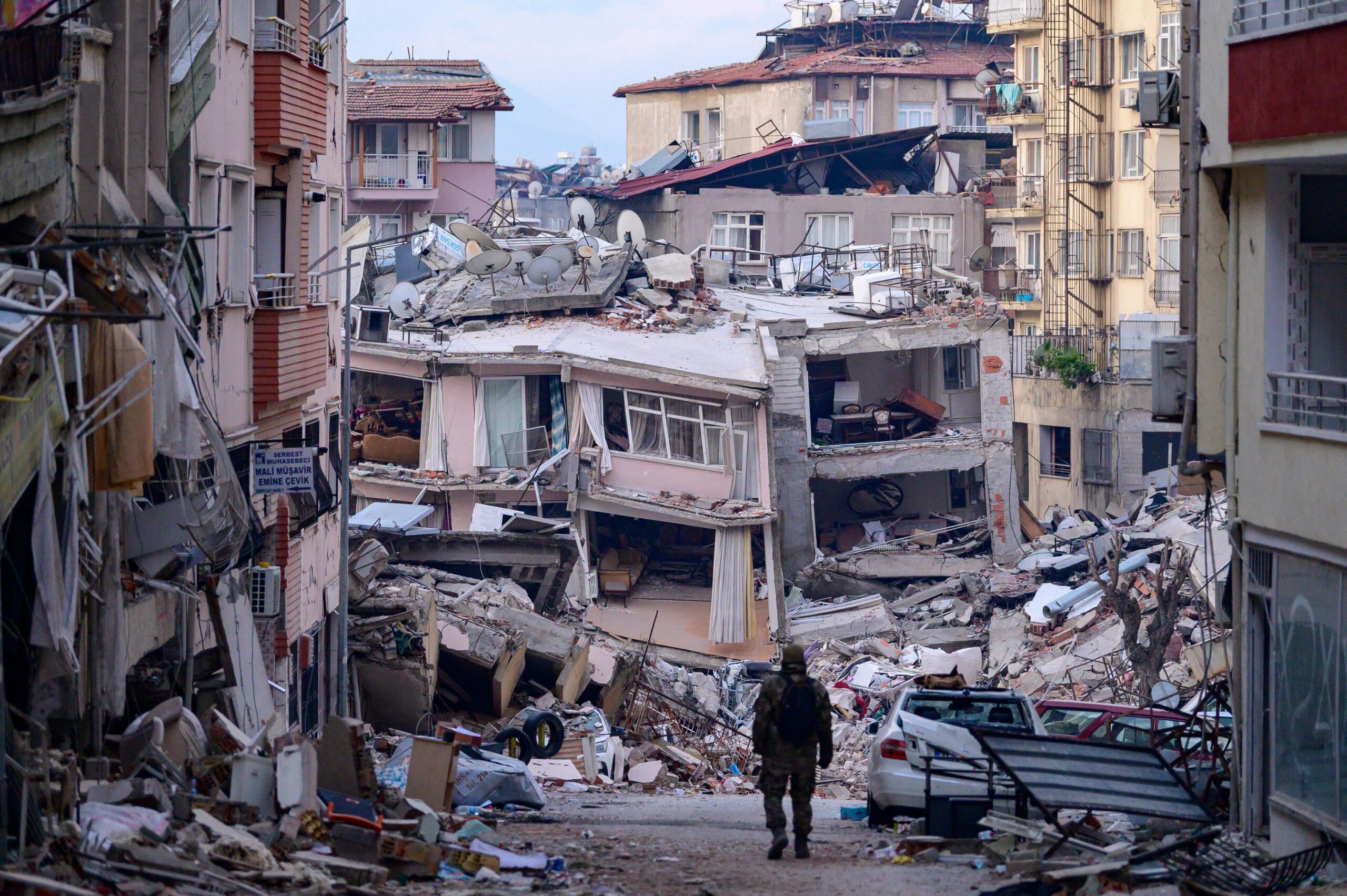
When a home cannot be safely occupied, some policies help with temporary living costs.
This may include hotel stays, short-term rentals, added meal expenses beyond normal household costs, laundry, storage, and certain relocation-related needs.
For families displaced after fire or major water damage, this coverage can be as important as building repairs.
Without it, owners may face both repair bills and housing bills at the same time.
Seasonal Risk Management Tips
Insurance is strongest when paired with prevention.
Before rainy seasons, clean gutters, inspect roofs, and check drainage around foundations.
Before winter, insulate exposed pipes and service heating systems.
Before storm seasons, trim weak branches and secure outdoor furniture.
Before vacations, test locks, use light timers, and pause package deliveries.
These simple actions reduce claim likelihood and may preserve a favorable claims history.
Mistakes That Cause Problems
Many claim frustrations stem from avoidable mistakes.
Waiting too long to report damage can weaken evidence. Throwing away damaged items too soon may remove proof. Ignoring maintenance issues may trigger exclusions.
Choosing the cheapest policy without reading limits often creates disappointment later.
Failing to update coverage after renovations, new purchases, or business growth can leave gaps.
Insurance works best when actively managed rather than forgotten.
Should You File Every Small Claim?
Not always.
If damage is only slightly above your deductible, paying out of pocket may be worth considering. Frequent small claims can sometimes influence future premiums or underwriting decisions depending on market rules and insurer practices.
Insurance often delivers the greatest value when reserved for meaningful losses rather than minor inconveniences.
This does not mean avoiding legitimate claims. It means making thoughtful financial decisions.
Technology Is Changing Coverage
Modern insurance service has improved significantly in many areas.
Mobile apps allow instant claim reporting. Digital document uploads speed communication. Drone inspections help assess roofs safely. Smart leak sensors can alert owners before water losses grow severe.
Some insurers now offer quicker payments through electronic transfer once claims are approved.
Technology cannot replace strong policy wording, but it can improve convenience and speed.
Questions to Ask Before Buying
Before choosing any policy, ask direct questions.
What exact events are covered? What exclusions apply? Are payouts based on replacement cost or depreciation? What are the limits for valuables? How much is the deductible? Is temporary housing included? Are discounts available for safety upgrades? How often should limits be reviewed?
Better questions usually lead to better decisions.
Quick Facts
Best Time to Review Coverage: Once every year
Most Overlooked Risk: Underinsured rebuild costs
Best Claim Habit: Keep photos and receipts
Smart Savings Move: Bundle policies and improve safety systems
Worst Assumption: Believing all water damage is covered
FAQs
Does this coverage include flood damage?
Usually not under standard policies. Separate flood protection is commonly needed.
How often should I review my policy?
At least once per year and after renovations, large purchases, or business expansion.
Can renters benefit from insurance?
Yes. Renters can protect belongings, liability exposure, and temporary housing needs.
Will one claim always raise premiums?
Not always. It depends on the insurer, claim type, history, and market conditions.
What documents help most during claims?
Photos, videos, receipts, maintenance records, inventories, and serial numbers.
Is the cheapest policy the best option?
Often no. Lower premiums may come with weaker limits or broader exclusions.
Conclusion
Unexpected damage can happen to anyone. Fire, storms, theft, water leaks, and accidents do not wait for the perfect time. When losses occur, the difference between financial chaos and manageable recovery often comes down to preparation.
That is why property damage insurance deserves careful attention. Choose realistic coverage limits, understand exclusions, keep records, review policies annually, and compare value instead of price alone. A well-designed policy can protect your savings, preserve your lifestyle, and help you rebuild faster after the unexpected.
Do not wait until after a loss to discover what you needed. Review your protection now, strengthen weak spots, and make sure your assets are truly covered when it matters most.
Read More:-Complete Guide to Choosing a Lawyer for Slip and Fall Injury Cases


